Merchant Delivery, Self Pickup
Er cai is a unique and nutrient-rich vegetable belonging to the Brassicaceae family, with the scientific name "Brassica juncea var. gemmifera." It is also known by several other names, such as wa er cai and hai er cai.
Characteristics:
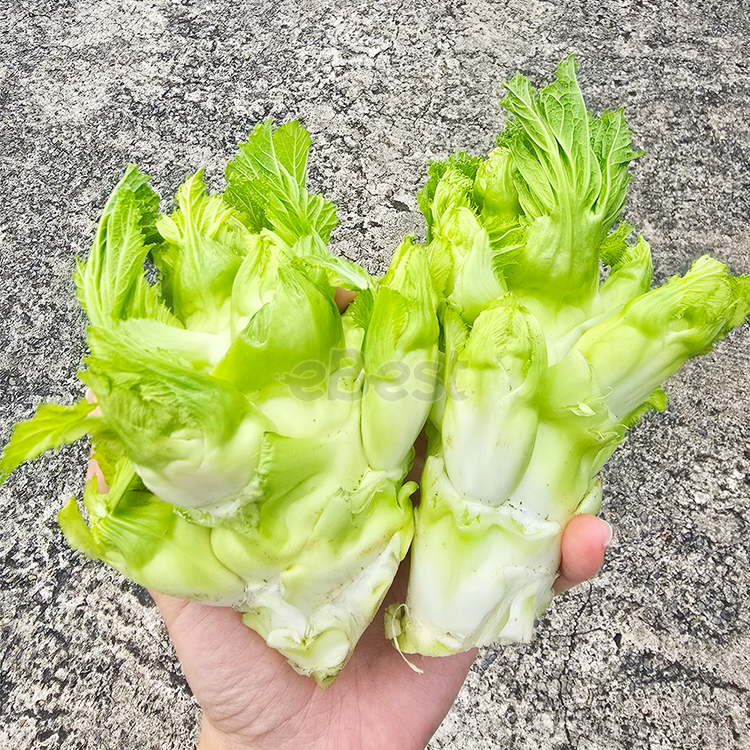
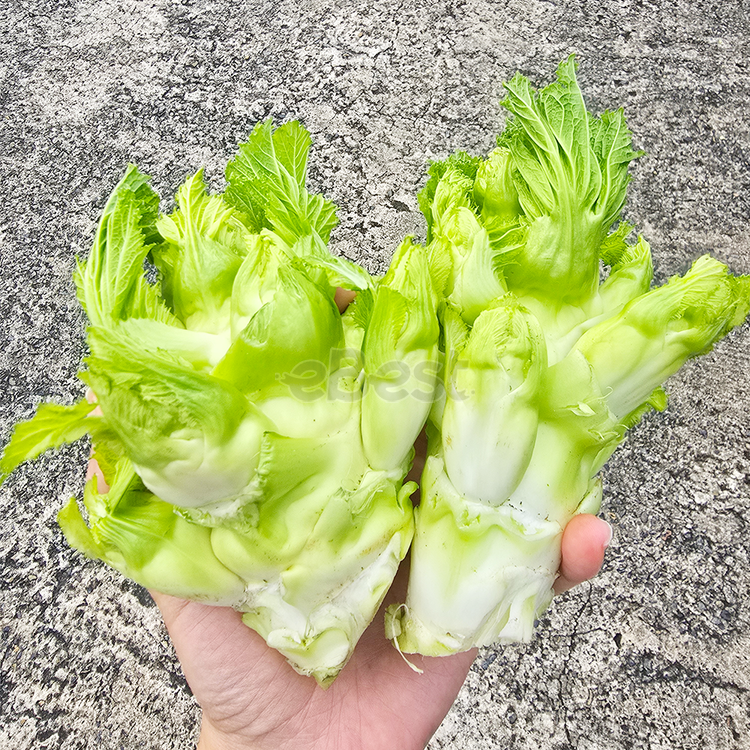
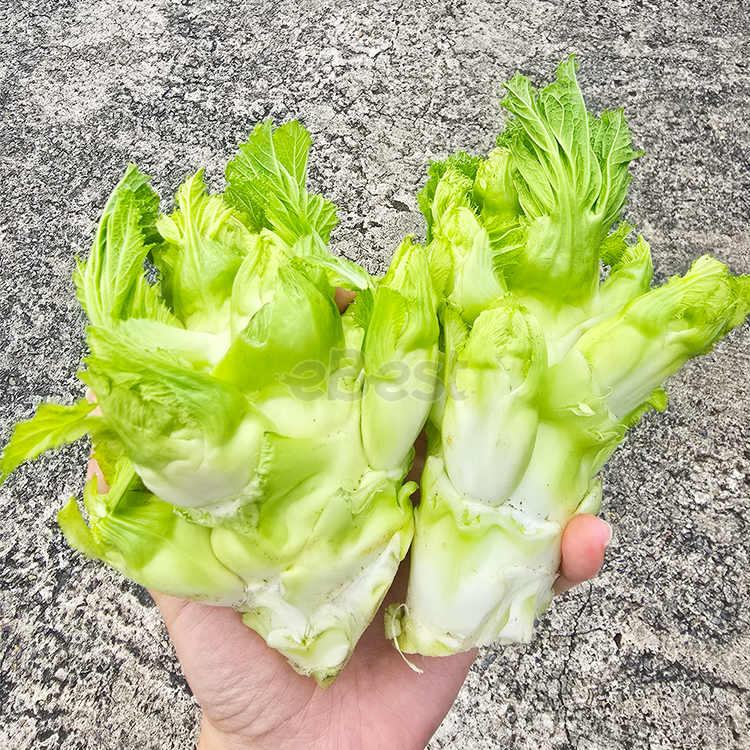
Appearance: Er cai has a distinctive look, consisting of multiple green "buds" that cluster together, resembling a mother hugging her children, which is how it gets its name.
Structure: The stems are thick and robust, with green outer leaves and tender white flesh. It has the aroma of mustard greens but a sweeter taste without the bitterness.
Nutritional Value:
Er cai is rich in various nutrients, including:
Vitamins A, B, C, E
Carotene
Dietary fiber
Minerals such as calcium, phosphorus, and iron
Among vegetables, it has a high content of calcium and phosphorus. Compared to Chinese cabbage and regular cabbage, Er cai contains 1.2 times more B vitamins, ten times more carotene, and 2-3 times more vitamin C.
Health Benefits:
Cancer Risk Reduction: May help lower the risk of cancer.
Digestive Health: Prevents constipation and increases appetite.
Immune System Support: Enhances immune function.
Blood Pressure and Weight Management: Assists in lowering blood pressure and aids in weight loss.
Cooking Methods:
Stir-frying: Often stir-fried.
Cold Dishes: Can be used in salads.
Hot Pot: Suitable for hot pot.
Soups and Boiling: Can be boiled or used in soups.
Variety of Dishes: Can be blanched, lightly stir-fried, or used to make pickled vegetables.
Regional Specialties:
In Sichuan, a classic dish is stir-fried Er cai with cured meat.
In Hubei, a popular recipe is garlic-flavored Er cai, where the vegetable is blanched and then quickly stir-fried with minced garlic.
Er cai is not only delicious but also rich in nutrients, making it a healthy vegetable choice worth trying.
.png?w=520&h=253)
.png?w=1500&h=800)